
As we get older, it’s only natural for our bodies to age. Skin loses volume and starts to change, and while the severity differs from person to person, a common concern is developing jowls.
It can be easy to feel insecure about ageing, especially when it starts appearing on your face. Although these signs of ageing are entirely natural, it’s not uncommon to want to address them, and there are many solutions for jowls.
At New Birkdale Clinic, we offer surgical and non-surgical solutions to treat jowls, and in this guide, we’ll explain what jowls are and how to treat them.
Keep reading to find out more.
What Are Jowls?
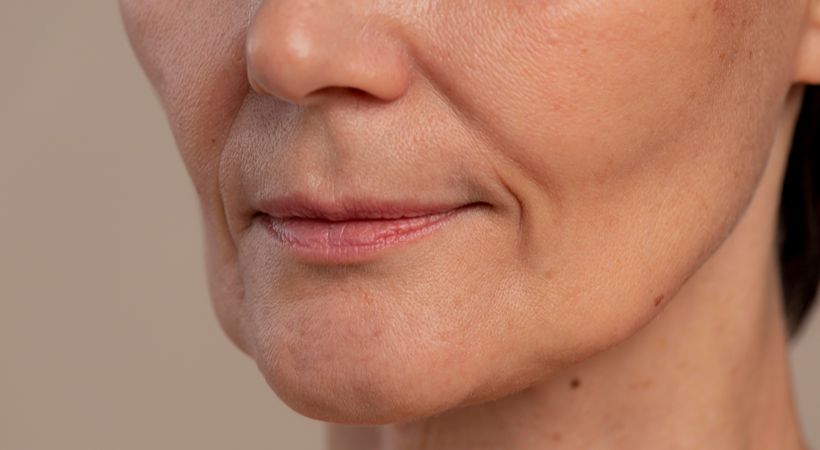
Jowls are sagging or drooping skin and soft tissue that hangs below the lower jawline and chin. For many people, they start as lines below the mouth and accumulate around the lower cheeks and jaw as skin loses firmness.
What Causes Jowls?
If you are concerned about how they start and how to prevent jowls, here are some of the main causes of jowls.
Natural Ageing
As we get older, it’s only natural for our skin to lose elasticity. Our facial bones also slowly shrink over time, and as our skin loses the collagen and elastin that keep it firm, gravity takes over, and our skin starts to droop and sag, especially around the chin and jaw.
Weight Fluctuations
If your weight fluctuates, you may develop jowls sooner. This is why jowls are a common side effect of weight-loss medication, as rapid volume loss weakens the skin’s elasticity and underlying structural support.
Gaining weight adds fat mass, forcing the skin and underlying tissues of the face and neck to stretch, contributing to the appearance of jowls.
Genetics
Your genes dictate your bone structure, skin quality and how fast your facial ligaments loosen. If your parents and grandparents have developed jowls early in life, you may have a genetic predisposition to jowls.
Environmental and Lifestyle Factors
Simple lifestyle factors like sun exposure, smoking and even computer and smartphone use can increase the likelihood of developing jowls.
UV exposure causes sun damage and breaks down collagen and elastin, causing the skin to sag earlier in life. If you’re a smoker, nicotine and toxic chemicals in cigarettes can narrow the blood vessels and limit blood flow, depriving skin cells of oxygen and valuable nutrients like vitamin A, destroying the collagen in your skin.
Many people don’t consider how modern technology affects their physical appearance. Frequently looking down at smartphones or computers for long periods can strain and stretch the skin and muscles of the neck and lower face, so reducing screen time can help.
At What Age Do Jowls Start?
On average, jowls may begin appearing in your 40s or 50s, though you may notice signs in your 30s as your jawline begins to soften.
How to Prevent Jowls
Though there is no way to completely stop their development, the following methods can help slow it and reduce the severity of jowls.
Wear SPF Daily
Protecting your skin from UV rays is one of the best ways to slow jowl development. Wear at least SPF 30 every day to help prevent the sun from damaging your skin and breaking down elasticity.
Stay Hydrated
We’ll always recommend staying hydrated, no matter your skin goal. Water is not only good for your skin, but it protects other vital organs, so you should be drinking 1.5- 2 litres of water a day.
Maintain a Stable Weight
To keep your skin firm, avoid rapid weight loss or regular weight fluctuations, especially as you get older. The more you stretch your skin and then lose weight, the less chance your body has to bounce back, and you will lose elasticity, especially in the jaw and chin area.
Avoid Smoking
Smoking damages the existing collagen in your skin and reduces healthy blood flow to your face, which means that if you smoke, you are not only speeding up the ageing process, but you’re damaging your skin, which can lead to jowls.
Sleep on Your Back
Another way to avoid jowls is to sleep on your back. When you sleep on your back, you put less pressure on your face than when you sleep on your side, where you press and stretch your facial skin overnight.
Does Face Exercises and Face Yoga Help?
While face exercises and face yoga cannot reverse or lift sagging jowls, they can temporarily improve muscle tone and circulation. Strengthening the underlying muscles can create a tightening effect and help with blood flow to the face, but ultimately you cannot fix jowls without using surgical or non-surgical solutions.
How to Get Rid of Jowls
Have you developed jowls that you would like to get rid of? At New Birkdale Clinic, we provide non-surgical and surgical solutions for this issue.
Non-Surgical Solutions
If you don’t want to go under the knife to fix your jowls, you could use the following anti-ageing treatments:
Microneedling
If you already have pronounced, sagging jowls, microneedling likely won’t have the effect you’d want. However, if you are just starting to notice jowls, microneedling can help tighten the skin and target small fat deposits along the jaw.
Dermal Fillers
Dermal fillers can improve the look of mild-to-moderate jowls by restoring lost volume and rebuilding any structural support that may have diminished with age. Some practitioners inject fillers into the cheek to lift the upper face and reduce gravity’s downward pull, reducing sagging in the lower face.
Dermal fillers can rebuild lost structure, and adding filler to the chin or jawline can reduce the appearance of early drooping.
Thread Lifts
Thread lifts are a popular, non-surgical treatment for addressing jowls. Dissolvable threads are inserted under the skin to provide an immediate lift while also boosting collagen production. Thread lifts can be a fantastic solution for moderate jowl sagging and can give a much-needed boost, but they are not a permanent solution.
Surgical Options
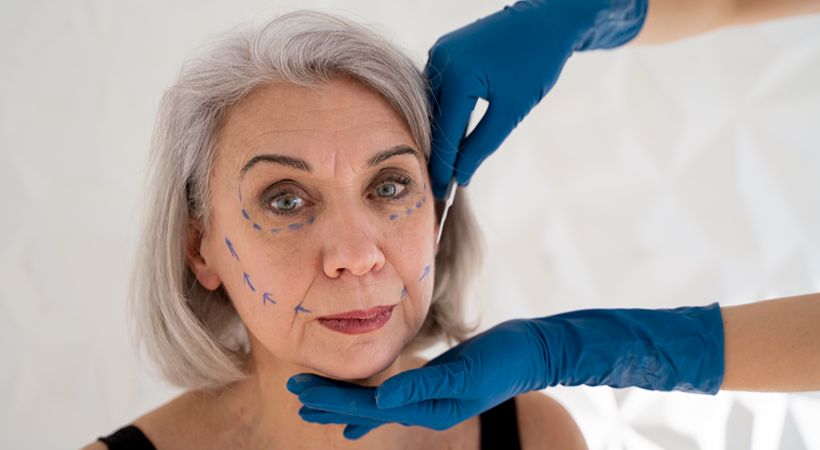
If you have severe jowls, the best way to address them permanently is through surgery. At New Birkdale Clinic, we offer the following surgical facelift options to reduce the appearance of jowls.
Mini-Facelift
A mini-facelift is a great option for reducing jowls. A mini-facelift lifts and tightens the lower face and redefines the jawline, creating a tighter, more youthful appearance.
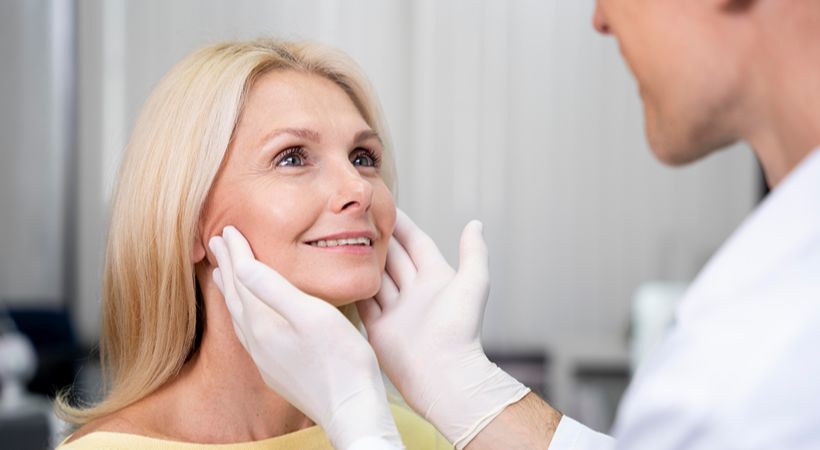
If you’d like to learn more about the mini-facelift procedure and its benefits, take a look at our mini-facelift guide.
Facelift
For some people, a mini-facelift is not enough. If you have visible signs of ageing across your face and sagging in multiple areas, lifting only the lower part of your face can disrupt your facial balance, so you should consider complete facial surgery.
A facelift repositions fat pads and tightens the underlying facial structure to define your jawline, remove excess skin, and secure the remaining tissue for a smoother contour.
Facelifts can be quite intensive, so if your jowls aren’t too bad, consider a mini-facelift or non-surgical options.
Reclaim Your Confidence With New Birkdale Clinic
This guide should help you better understand jowls, how to get rid of them, and how to try to avoid developing them. At New Birkdale Clinic, we offer plenty of surgical and non-surgical solutions to address the appearance of jowls.
Get in touch to find out how we can help you today.


